

Cashback vs Rewards, Coupons & Discounts: What’s the Difference?

When purchasing online or paying bills, cashback, rewards, coupons and discounts are all very frequently advertised. Although these words are often seen to mean the same thing, they have various differing natures that can impact on the amount you are able to save.
The benefits of knowing the difference between cashback and rewards, cashback versus coupons, or rewards versus discounts can help you select the best value, rather than just jumping for the most exciting-sounding percentage.
This Article Belongs to Banking App Reviews
Cashback Meaning: What Is Cashback?
Cashback: a benefit that gives you back a portion of your eligible transactions after you’ve paid. You might get paid back via cash, wallet money, bank credits, points, or other redeemable benefits, depending on the platform.
Say, for example, if an application is offering 5% cashback for your Rs. 2,000 purchase you could get an amount of Rs 100 deducted in your account (under the prescribed rules for that cashback scheme).
Money back is provided by merchants, shopping sites, banks, online shopping portals, payment apps and dedicated cashback apps.
Cashback vs Rewards: What’s the Difference?
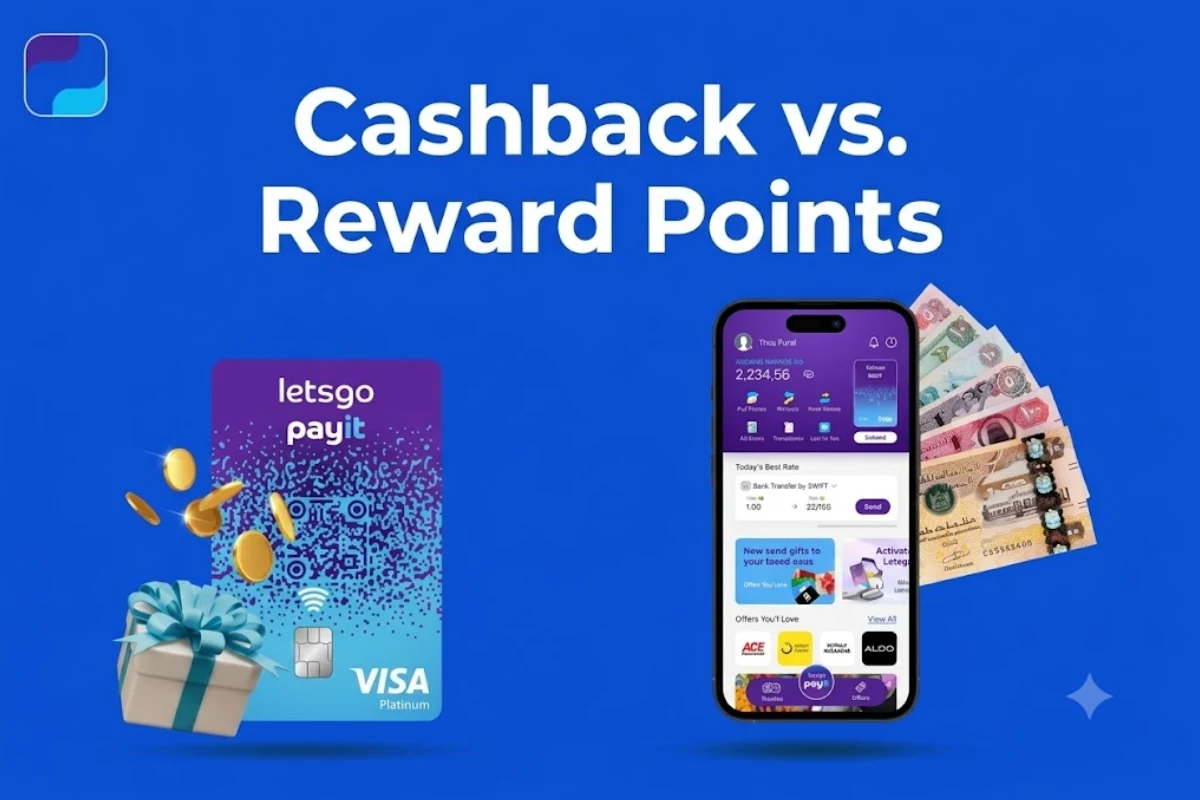
The big difference is the value you get back from spending Cashback usually give you back a value of your transaction, reward usually gives points, miles, vouchers etc.
| Feature | Cashback | Rewards |
| Benefit | Money or cashback balance | Points, miles, vouchers, etc. |
| Value | Usually easier to calculate | Can vary by redemption |
| Redemption | May be automatic or require withdrawal | Usually requires redemption |
| Best for | Direct savings | Travel, products, memberships |
| Example | ₹100 cashback | 500 reward points |
While points are not always as desirable as cashback if there are opportunities to obtain special point redemption values, they are generally less comprehensible to the casual shopper.
Cashback vs Coupons: How Are They Different?
A coupon discounts the price before and during checkout whereas a cashback provides a benefit after you have made a successful qualifying transaction.
For example, suppose a product costs ₹2,000.
- A ₹200 coupon reduces your checkout price to ₹1,800.
- A 10% cashback offer may require you to pay ₹2,000 first and receive ₹200 back later.
So cashback vs coupons simply depends on what the cash has actually saved you.
| Cashback | Coupons |
| Usually received after purchase | Usually applied before/during checkout |
| May require tracking or redemption | Often requires entering a code |
| Can sometimes be combined with other offers | May have product or order restrictions |
| Value depends on cashback rate and terms | Value is normally visible immediately |
Cashback vs Discounts
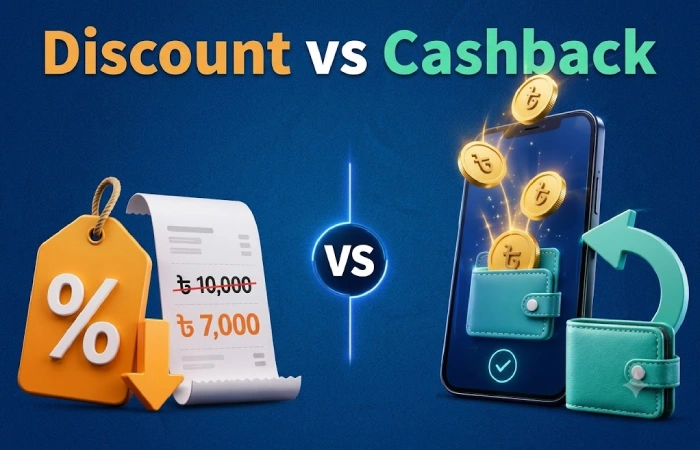
An outright discount simply decreases the price you pay for something up front. Cashback however doesn’t bring the immediate price down at all.
For example: If a product of 1000 have a discount of 15%, your cost would be 850, if however it’s about cashback, with an amount of 15% for example. You will pay 1000 and receive then a cashback of 150
Tip: Make sure you compare with the actual final value costs, rather than just the percent.
How Cashback Apps Work
Wondering how cashback apps work? The process is generally straightforward:
- Find an eligible merchant or offer through the cashback app.
- Activate the offer if required.
- Shop through the specified link or payment method.
- The transaction is tracked and verified.
- The merchant pays the cashback platform a commission for generating the sale.
- The platform shares part of that commission with the customer as cashback.
Different platforms have different eligibility criteria, cashback percentage, minimum withdrawal amounts, exclusions as well as time frames to process the withdrawals.
How Cashback Apps Make Money
To understand how cashback apps work – ie how they get money – consider the business model – typically commissions.
When a customer buys something using a cashback scheme, the retailer or affiliate company might give a commission to the platform, and the cashback company will keep some part and return another part to the user.
For example:
| Transaction | Amount |
| Customer purchase | ₹5,000 |
| Merchant commission to platform | ₹500 |
| Cashback paid to customer | ₹350 |
| Platform’s remaining amount | ₹150 |
This is a simplified example. Actual commission rates and cashback amounts can vary significantly by merchant and promotion.
Are Cashback Apps Worth It?
Are cashback apps worth it? They can be, particularly if you already planned to make the purchase.
Cashback becomes more useful when you:
- Compare offers before purchasing.
- Use cashback for planned expenses.
- Check minimum withdrawal requirements.
- Read exclusions and expiry conditions.
- Combine cashback with legitimate discounts or coupons when permitted.
- Avoid buying unnecessary products just to earn cashback.
Biggest mistake is wasting your money because an app says they’re offering so much cash-back. Consumers should also understand the terms and conditions of financial offers before using them. The Consumer Financial Protection Bureau provides consumer-focused guidance on making informed financial decisions.
Cashback, Rewards, Coupons or Discounts: Which Is Better?
There isn’t one universal winner. The best option depends on the transaction and the terms.
| Option | Best For | Main Advantage |
| Cashback | Regular shopping | Money/value returned after purchase |
| Rewards | Travel and loyalty programmes | Points and special redemption benefits |
| Coupons | Immediate savings | Reduces purchase price |
| Discounts | Everyday purchases | Simple and instant price reduction |
Final Verdict
Knowing the difference between Cashback vs Rewards, Coupons & Discounts would make the ability to weigh the offers. A Cashback would allow you the ability to get something back from a qualified purchase, whereas a coupon would offer you a discount at checkout, an discount lowers what it is advertised at, and then a rewards gives points for the purchased, etc.
Look at the real cash savings available as well as eligibility criteria, expiry dates and redemption terms before accepting any deal. Often the much smaller simple cash saving may outweigh the more generous marketing deal that has numerous restrictions.