

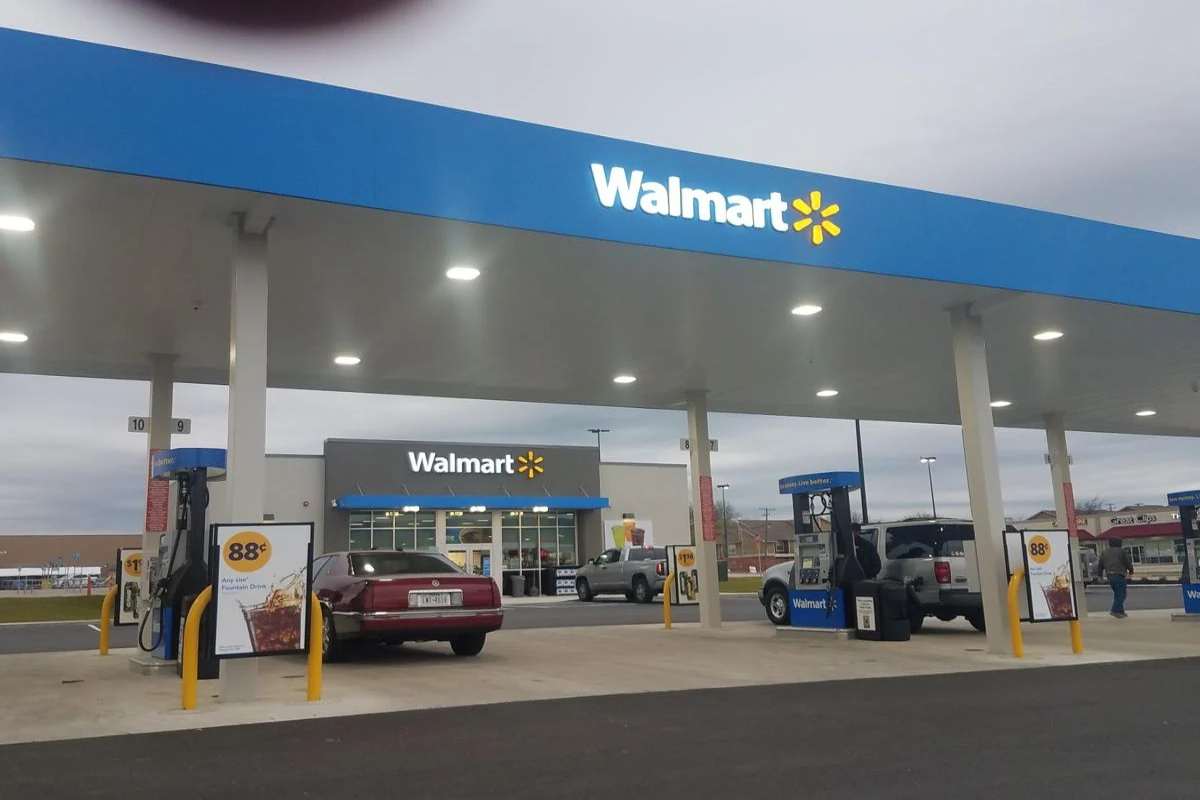
Walmart Gas Stations: Prices, Quality & Savings Guide

Walmart gas stations are not simply low-price pumps—they are part of a retail ecosystem engineered to attract shoppers, enabling structurally cheaper fuel. Drivers who understand this system can unlock significantly greater savings than casual users.
Introduction
Rising fuel costs quietly drain household budgets, often without drivers noticing. Many people chase the lowest visible price without understanding that even small differences compound into hundreds of dollars a year. Choosing stations randomly can lead to unnecessary overpayment.
Walmart fuel is typically cheaper than traditional stations, meets regulatory quality standards, and offers membership discounts, but maximum savings come from knowing how the ecosystem operates.
What Counts as a “Walmart Gas Station”?
Not every station near a Walmart store is Walmart-owned. Understanding the distinctions is critical for maximizing savings.
| Station Type | Operator | Key Features | Membership Requirement | Best Use Case |
| Walmart Fuel Center | Walmart | Pay-at-pump, minimal amenities, accepts Walmart+ | Optional (for discount) | Local commuters, Walmart shoppers |
| Murphy USA | Murphy USA | Independent but co-located with Walmart | Optional (some Walmart+ discounts) | Drivers seeking convenience near Walmart |
| Sam’s Club Fuel | Sam’s Club | Membership warehouse model, often lowest regional prices | Required | Families, high-volume users, warehouse shoppers |
Insight: Many drivers assume all Walmart-adjacent stations are identical. This misunderstanding can cost them money.
Why Walmart Gas Is Usually Cheaper
The advantage is structural, not promotional. Walmart leverages fuel to drive retail traffic, allowing low margins or near break-even pricing on gas.
| Factor | How It Reduces Price | Operational Details |
| Retail Cross-Subsidy | Attracts shoppers to stores, offsetting fuel margin | Gas acts as a “loss leader” to increase sales of higher-margin goods |
| High Volume, Low Service | Fewer staff, minimal amenities | Pumps designed for speed and high throughput |
| Supply Chain & Logistics | Bulk procurement reduces cost | Rapid turnover ensures fresher fuel and minimal storage losses |
Example Scenario:
- Commuter fills tank weekly. By leveraging Walmart+ discounts at high-turnover stations, they may save $0.10–$0.15 per gallon consistently over the year — compounding into hundreds of dollars.
Fuel Quality: Safe, Average, or Inferior?
Quality is often questioned at discount pumps, but Walmart fuel generally meets the same standards as more expensive competitors.
| Consideration | Walmart | Traditional Premium | Notes |
| EPA Compliance | Yes | Yes | Ensures baseline engine safety |
| Top Tier Detergents | Sometimes | Usually | Only critical for certain engines |
| Fuel Freshness | High | Variable | High volume ensures rapid turnover |
| Price | Low | High | Subsidized via retail ecosystem |
Key Points on Fuel Quality
- Federal standards require minimum octane and additive specifications.
- High-volume turnover reduces the risk of stale or contaminated fuel.
- Premium “Top Tier” detergents improve long-term engine cleanliness but are unnecessary for most vehicles.
External References: EPA fuel regulations, AAA fuel quality guidance, automotive manufacturer recommendations.
Membership Ecosystem: Where Real Savings Multiply
Memberships can convert moderate per-gallon discounts into significant annual savings, especially for frequent drivers.
| Membership | Discount Type | Eligibility | Typical Savings Example |
| Walmart+ | $0.10–$0.15/gal at participating stations | Paid membership | Daily commuter could save $300–$400/year |
| Sam’s Club Fuel | $0.20–$0.30/gal warehouse pricing | Membership required | Families with multiple cars could save $500+/year |
| Murphy USA (via Walmart+) | $0.05–$0.10/gal | Optional | Occasional drivers benefit modestly |
Illustrative Example:
- Commuter: drives 30 miles/day, 5 days/week, uses Walmart+ → several hundred dollars/year saved.
- Family with 2 vehicles filling twice weekly at Sam’s Club → $500+ yearly.
- Occasional driver → small savings; membership may not be cost-effective.
How to Find Walmart Gas Stations
| Tool | Pros | Cons |
| Walmart App | Accurate, shows discounts | Needs account, app installed |
| Store Locator | Free, official | May not show adjacent Murphy USA stations |
| Google Maps | Integrates with GPS | Prices may lag, discounts not displayed |
Tip: Plan fuel stops before trips to save time and ensure access to discounted stations. Regional pricing varies, so small detours can be worthwhile.
Pros and Cons by Driver Profile
| Driver Type | Pros | Cons | Best Use Case |
| Budget-Conscious Household | Low price, membership discounts | Minimal amenities | Regular local fueling |
| High-Mileage Commuter | Consistent savings | Peak-hour lines | Daily commuters |
| Family with Multiple Vehicles | High annual savings | Membership cost | Households with 2+ cars |
| Premium-Service Seeker | N/A | Limited amenities, no full-service | Consider traditional stations |
Comparison Table: Walmart vs Alternatives
| Feature | Walmart Fuel | Traditional Full-Service | Warehouse Club |
| Price | Low | Moderate | Very Low |
| Convenience | Moderate | High service | Limited (membership) |
| Membership | Optional (+Walmart+) | N/A | Required |
| Amenities | Minimal | Full service | Minimal |
| Turnover / Freshness | High | Variable | High |
Advanced Strategies to Maximize Savings
Timing Matters
- Fuel prices often fluctuate during the week; early-week fill-ups can be cheaper.
- Avoid peak hours to reduce wait times and potential price spikes.
Combine Errands
- Fuel stops can be paired with Walmart or grocery shopping to reduce extra driving.
Track Regional Differences
- Differences of 20–40 cents per gallon can exist across nearby stations.
- Even small detours can yield significant savings over time.
Fuel Optimization Playbook Checklist
| Step | Action |
| 1 | Identify cheapest station within 5–10 miles |
| 2 | Determine membership eligibility |
| 3 | Time fill-ups to avoid peak congestion |
| 4 | Pair fueling with errands |
| 5 | Track weekly local price variations |
Walmart vs Other Low-Cost Fuel Options
| Option | Price | Membership | Amenities | Best Use |
| Walmart Fuel | Low | Optional | Minimal | Daily fueling, shopping integration |
| Sam’s Club | Very Low | Required | Minimal | Families, high-volume users |
| Costco | Low | Required | Moderate | Warehouse pricing + convenience |
| Major Oil Brand | Moderate-High | N/A | Full | Premium service, Top Tier fuel |
Insight: While warehouse clubs like Costco sometimes beat Walmart on raw price, Walmart’s ecosystem advantage—fuel plus integrated shopping—often yields greater overall savings per trip.
Final Decision Framework: Is Walmart Gas Right for You?
| Driver | Recommendation | Notes |
| Daily Commuter | Walmart Fuel Center + Walmart+ | Save $300–$400/year |
| Family with 2 cars | Sam’s Club | Multiple weekly fill-ups maximize savings |
| Occasional driver | Compare Walmart, Murphy USA, and local discount | Membership may not be cost-effective |
Conclusion
Walmart gas stations are more than low-cost pumps; they are part of a strategic retail ecosystem. Fuel is used to drive traffic into stores, enabling prices that are structurally lower than competitors.