

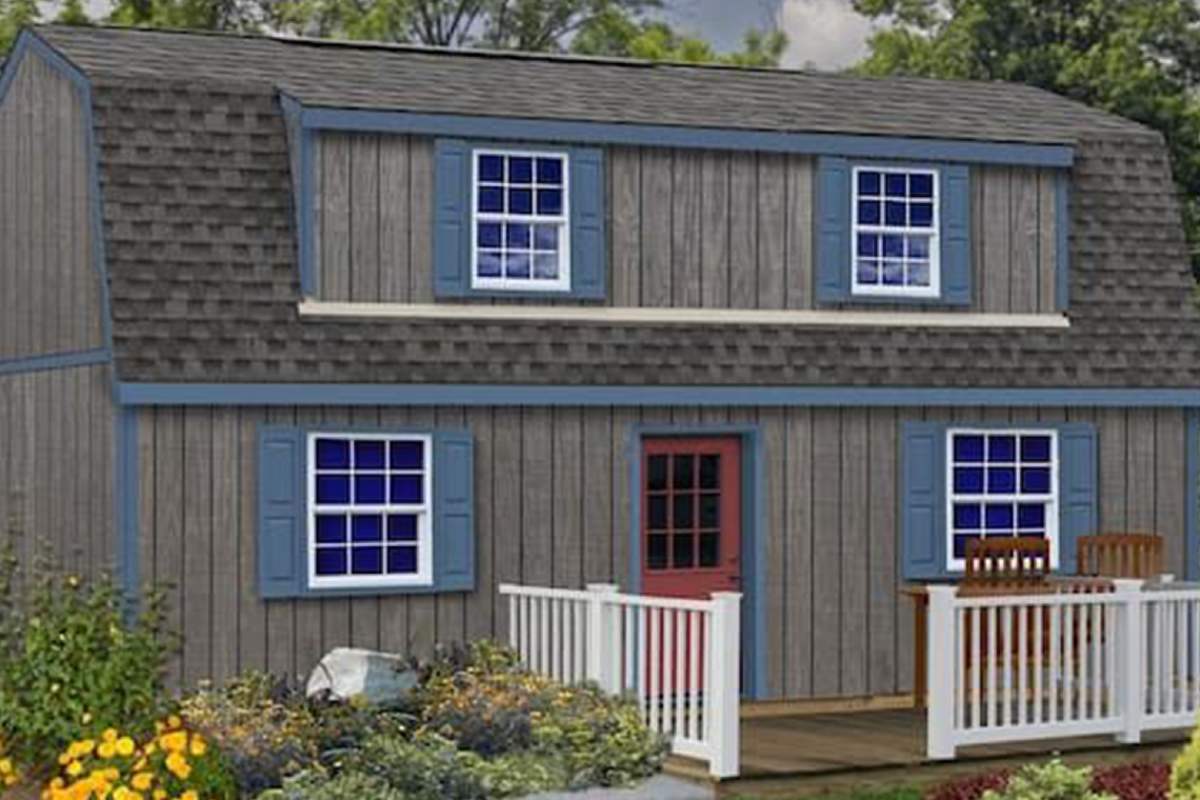
Best Walmart Tiny House

The best Walmart tiny house isn’t a product—it’s the right structure chosen with a clear plan for cost, legality, and livability. Most buyers fail by treating it as a finished home instead of a staged build system.
Most people searching for the best Walmart tiny house expect a cheap, ready-to-move-in home. That expectation is the biggest mistake. The listings look complete, the prices look attractive, and the promise feels simple—but once purchased, buyers often discover missing essentials like insulation, plumbing, legal approvals, and structural upgrades.
The best Walmart tiny house is usually a high-quality cabin kit or well-reviewed prefab structure that matches your purpose and total budget—not the cheapest or most viral listing.
What a “Walmart Tiny House” Actually Is
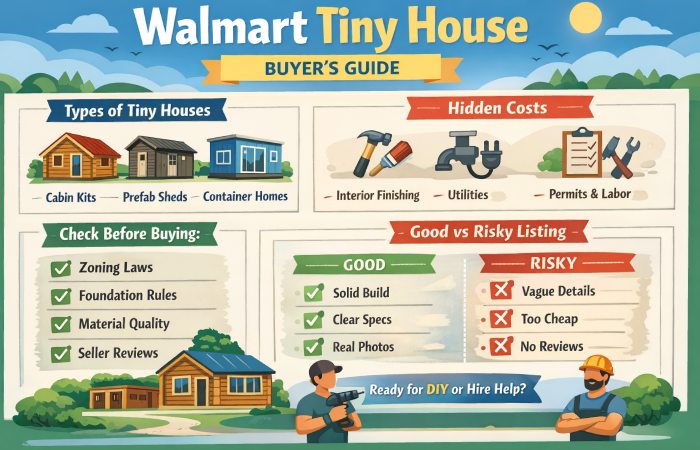
When browsing tiny homes on Walmart, you are not buying from a traditional builder. Instead, you’re buying from third-party sellers offering structures that resemble homes but lack key components.
These typically include
| Type | What You Get | What’s Missing |
| Cabin Kits | Frame, walls, doors, windows | Plumbing, wiring, insulation |
| Prefab Sheds | Basic enclosed structure | Livability features |
| Container Homes | Steel frame, foldable design | Quality consistency, finishing |
The critical insight: You’re buying a base—not a complete house.
Types of Walmart Tiny Houses
| Type | Best Use | Cost Range | Effort Level | Risk Level |
| Wooden Cabin Kit | Full-time living | $5K–$25K | High | Medium |
| Prefab Shed | Office / storage | $2K–$10K | Medium | High |
| Container Home | Temporary housing | $8K–$30K | Medium | High |
Explanation
Cabin kits are the most practical for long-term living because they are designed with habitation in mind. Sheds are often repurposed but require extensive upgrades. Container homes look modern but vary drastically in quality.
The Reality-First Buyer Framework
To avoid costly mistakes, evaluate every option using this framework:
| Factor | Key Question | Why It Matters |
| Purpose | What will you use it for? | Determines structure type |
| Budget | What is total cost? | Prevents overspending |
| Legal | Is it allowed in your area? | Avoids unusable purchase |
| Effort | Can you build or hire help? | Impacts timeline and cost |
This framework shifts your mindset from impulse buying to strategic planning.
Real Cost Breakdown
Most buyers underestimate the true cost. Below is a realistic breakdown:
| Cost Component | Low Estimate | High Estimate |
| Base Structure | $2,000 | $25,000 |
| Interior Finishing | $5,000 | $30,000 |
| Utilities | $3,000 | $15,000 |
| Labor | $2,000 | $20,000 |
Example Scenario
| Item | Cost |
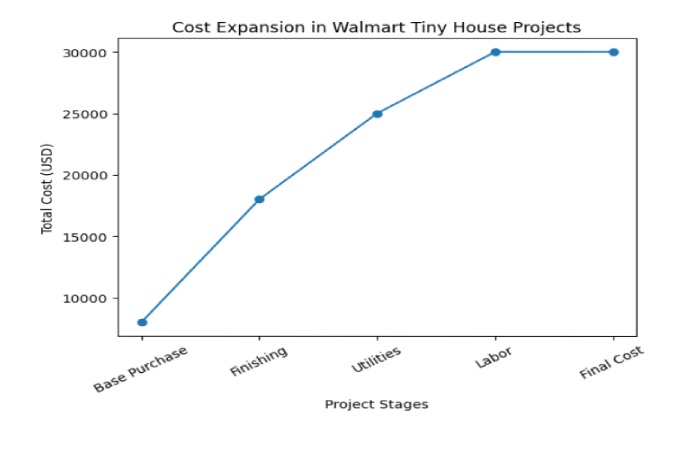
| Shed Purchase | $8,000 |
| Insulation + Walls | $10,000 |
| Electrical + Plumbing | $7,000 |
| Labor | $5,000 |
| Total | $30,000 |
Insight:
A cheap structure often becomes an expensive project.
Cost Expansion Graph
Here is a visual representation of how costs increase:
Legal & Zoning Reality
Legal compliance is often ignored but critical.
| Requirement | Description |
| Foundation | Permanent or approved base required |
| Minimum Size | Some areas require minimum square footage |
| Utilities | Must meet safety standards |
| Permits | Required before occupancy |
Key Insight
- Urban areas → strict regulations
- Rural areas → more flexibility
How to Identify a Good vs Risky Listing
Evaluation Checklist
| Factor | Good Listing | Risky Listing |
| Materials | Clearly specified | Vague or missing |
| Reviews | Verified photos | No real feedback |
| Instructions | Detailed manual | Unclear setup |
| Seller | Established profile | Unknown vendor |
Red Flags
- Unrealistic “luxury” claims
- Extremely low prices for large structures
- No installation guidance
Scenario-Based Recommendations
Budget Buyer
| Goal | Recommendation |
| $10K–$20K total | Small cabin kit |
| Strategy | DIY build |
Backyard Office
| Goal | Recommendation |
| Work space | Prefab shed |
| Focus | Insulation + electricity |
Full-Time Living
| Goal | Recommendation |
| Permanent home | Cabin kit |
| Strategy | Full system planning |
Smarter Alternatives to Consider
| Option | Advantage | Disadvantage |
| Local Builders | High quality | Higher cost |
| Custom Tiny Homes | Fully finished | Expensive |
| Used Tiny Homes | Lower cost | Limited availability |
Organizations like the Tiny Home Industry Association emphasize long-term compliance and build quality.
Final Verdict – What “Best” Really Means
The best Walmart tiny house is not about price—it’s about alignment.
| Criteria | Importance |
| Purpose Fit | High |
| Total Cost | Very High |
| Legal Compliance | Critical |
| Effort Required | High |
If you treat it as a shortcut, you risk failure.
If you treat it as a system, it can work effectively.
Trust & Methodology
This article is based on:
- Analysis of real marketplace listings
- Cost modeling from typical conversions
- Standards from HUD, ICC, and industry bodies
It provides a research-backed framework, not just product suggestions.
Final Insight
The idea of a Walmart tiny house is appealing because it promises affordability and simplicity. But in reality, it requires planning, effort, and informed decision-making.